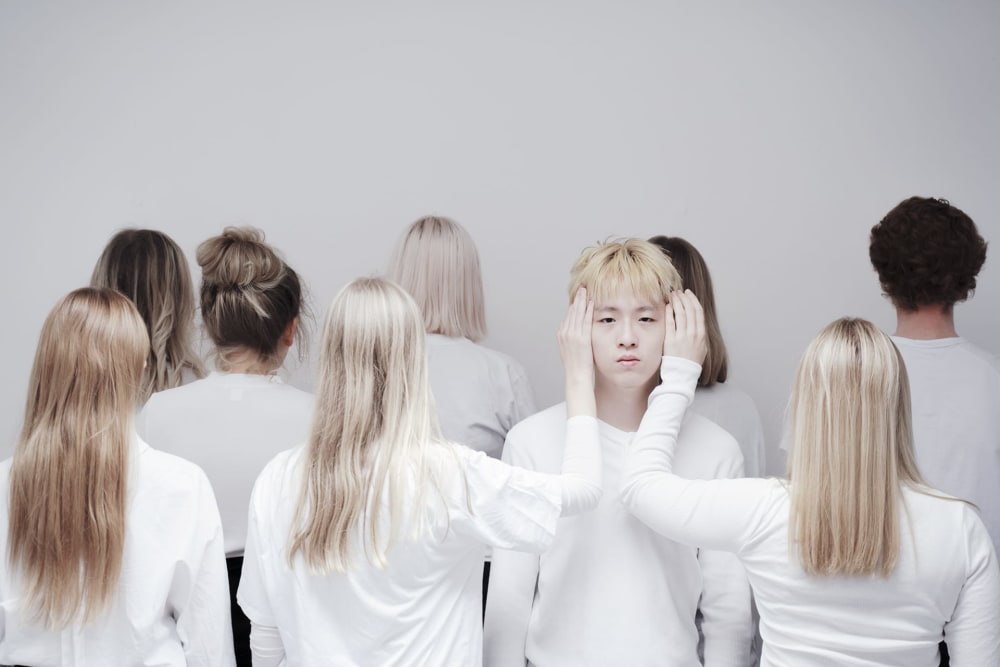
Imagery
Last updated:
29 August 2025
Image Library
The UAL Image Library features imagery from across UAL and our 6 Colleges. It celebrates the work of our students, the diversity of our community and our spaces and facilities:
- Use imagery to enhance and support UAL materials and communications.
- As a UAL staff member, you already have access to the Image Library. Click the UAL Staff Login button and log in with your usual credentials.
- The UAL Image Library is partially compliant with the Web Content Accessibility Guidelines 2.1 AA standard*.
*If you need information on the Image Library in an alternative, more accessible format or if you are having problems completing a task, please contact brand@arts.ac.uk.
Types of imagery
Creative process
- Try to capture candid, active scenes and find compositions which have clear focal points.
- Shots should be colourful, atmospheric and inspiring.
- Shoot in reportage style and capture unexpected angles or new ways of looking at something.
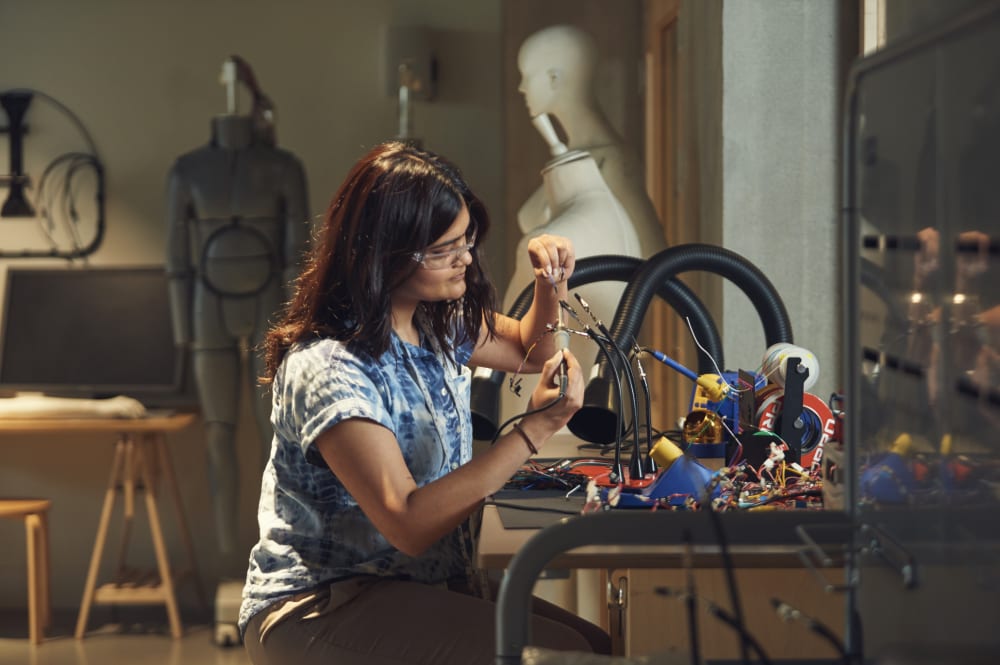
Student work
- Consider different compositions when photographing finished work.
- Portray a focal point in the work and don't include people unless necessary.
- Don’t crop or edit the image as this could damage the integrity of the idea.
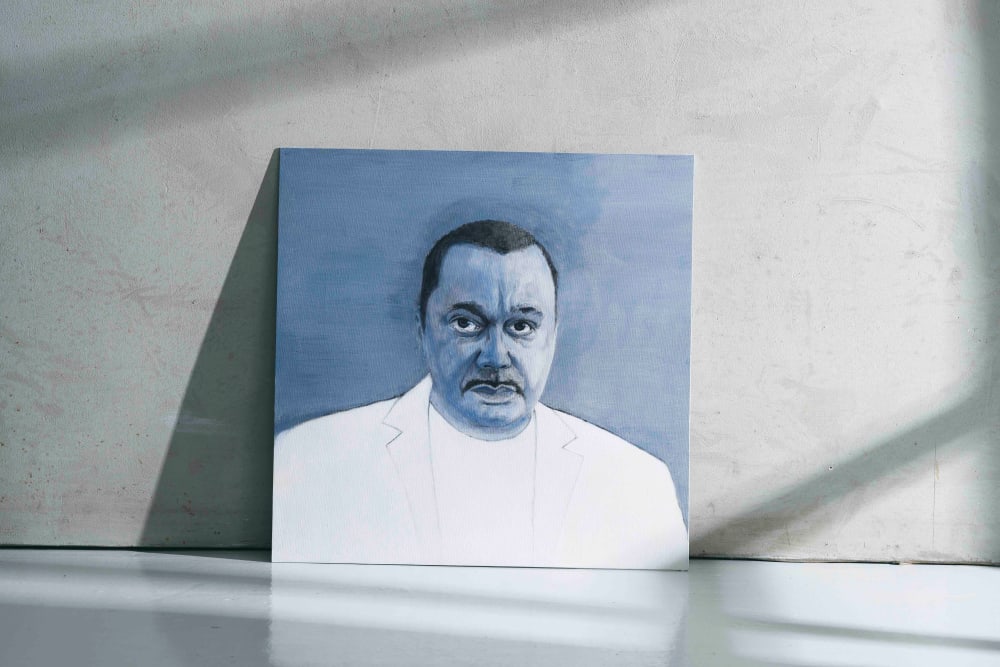
Texture
- Macro shots can capture textures and materials.
- These images can be used decoratively.

People in action
- When representing university life, real people in real situations should be the core focus.
- Aim to celebrate the inclusive and diverse nature of our community.
- Shoot in reportage style, not staged or posed but capturing the moment with a strong focal point.
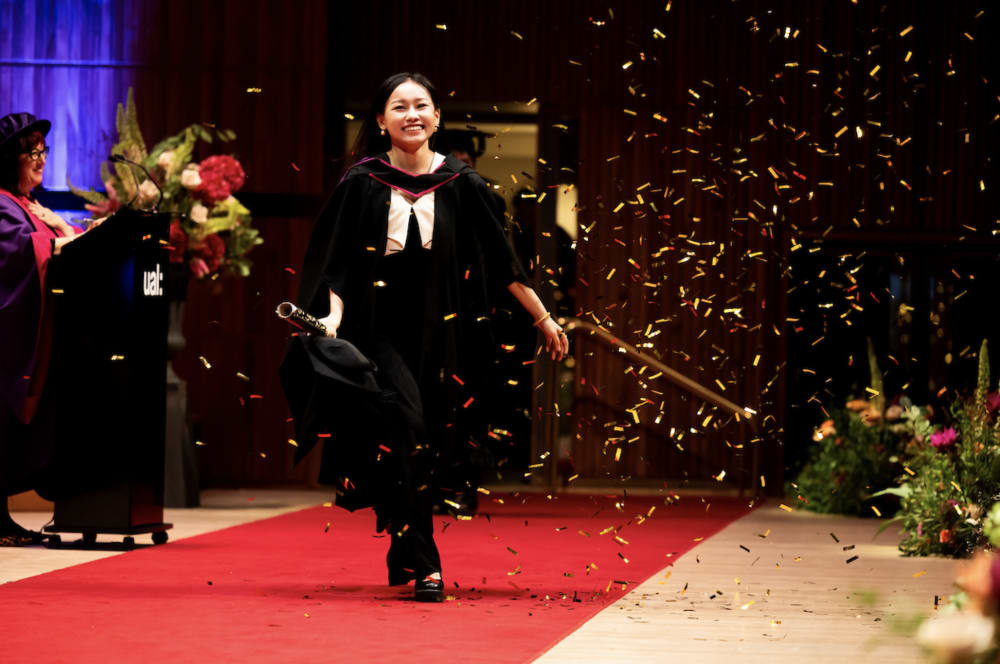
Spaces and places
- Showcase the University and London as an exciting, global creative hub.
- Shots should be atmospheric, bright and show our diverse environments for working and living.
- Where possible, students and staff should be in the shots engaging with the spaces.
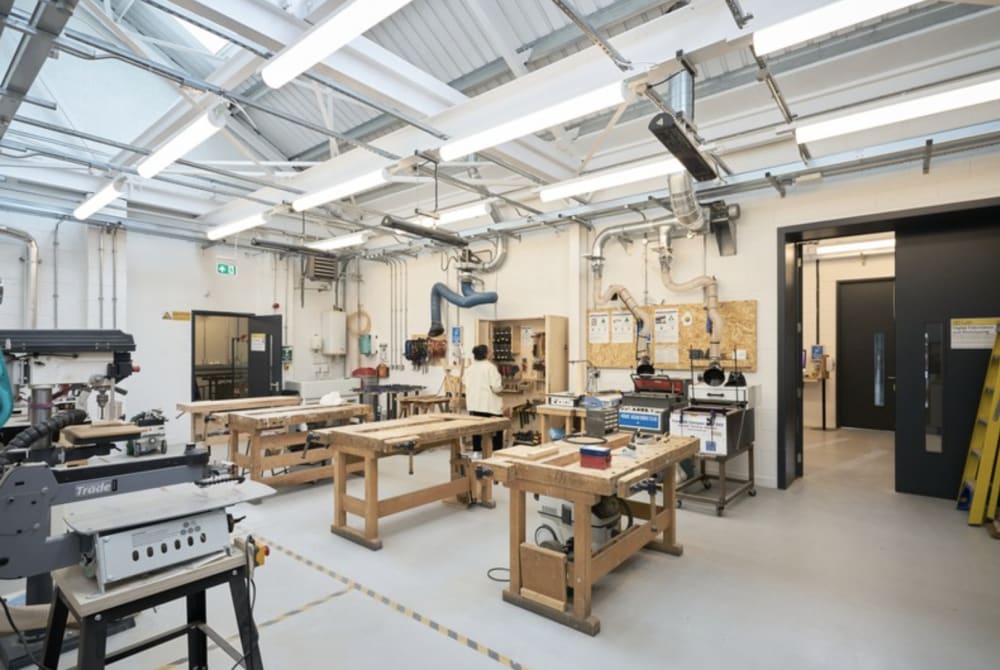
Functional photography
- Clearly communicate the subject matter, such as our disciplines taught or specific events, in a functional and usable way.
- Consider crops and composition to ensure maximum effectiveness.
- There may be instances where we are not able to take photos, in this case we use external content.

Choosing images
When uploading or selecting images, make sure that the image:
Reflects our personality
- ‘Bold and confident’ and ‘Positive and forward-thinking’.
Communicates a story and delivers a strong message
- Keep in mind the purpose of your communication.
- Images should be relevant and help you to tell a story.
Is well-composed and easy to understand
- Avoid images that are stretched, have an unclear focus point or unfortunate crops.
Is high quality
- Images must be high resolution and contrast, in focus and preferably in natural light.
Is inclusive
- Our imagery should reflect our values and embrace equality and diversity.
Is not stock imagery or clip art
- Images should always be real and not purchased from websites or downloaded from the internet.
Has image rights and credits
- Always ensure that you have permission to use the image.
- Credit the photograph or artist in line with our image crediting guidelines.
Staff headshots
Headshots help to make us recognisable to colleagues, students and the wider public:
- Use soft, natural lighting with a light grey or neutral background and focus on the subject’s face.
- Take from the subject’s eye level, with their right shoulder closest to the camera, left shoulder turned at a 20-degree angle away and head turned toward the camera.
- Expression should be friendly and natural.
- The final crop should be a square image and include upper shoulders and head, in either black and white or full colour.

Image making
Pattern
Pattern can be used to enhance a message by adding decorative elements to a piece of communication:
- When commissioning/choosing a pattern, make sure they align with our brand and interact with other brand elements.

Type as image
Type as image is imagery that has typographic detail. Use letterforms from our primary typeface, Helvetica Neue, to create an image.
This should be 1 or 2 words that are not integral to what you are trying to communicate, but are related to the main headline or message. Eg., events, course names or campaign titles.